Junior explorer
What does a real protein look like?
The same AlphaFold content in a Grade 5–7 voice, NGSS-aligned and COPPA-safe by design.
For teachers and students: the same real AlphaFold structures, in a voice built for the classroom. No accounts, nothing collected.
The protein-structure pathway → Where should I start, and what comes next?
Reading a real model's numbers for the first time? NumberReader walks through pLDDT and PAE one number at a time (ages 15–18).
Scientists live with not being sure. A prediction can be firm in one place and loose in another, and saying which is which is part of doing it well. As Danya says in The Lantern in the Jellyfish, about the loose end of a glowing protein: "That's not wrong. That's just the end."
See it for yourself in PencilOrInk (ages 9–14): the parts AlphaFold is sure about are drawn in ink, the unsure parts in pencil.
What does a real protein look like?
The same AlphaFold content in a Grade 5–7 voice, NGSS-aligned and COPPA-safe by design.
Can you sort every amino acid?
A COPPA-safe amino-acid sorting game. No accounts, no outbound links, nothing collected.
How is a cell built?
Guided, textbook-sourced tours of eight cell types. A small, curated starter set.
Mechanism or purpose?
Call each protein claim mechanism or purpose, with no clock — spot teleology and rewrite it as honest physics.
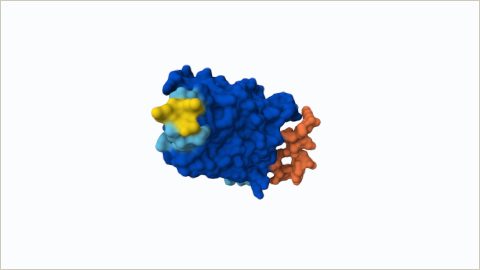
What gets through the pore?
Predict which particles pass real channels (aquaporin-1, GLUT4, CFTR), then see the live AlphaFold structure. A pore is not a wall with a doorman.
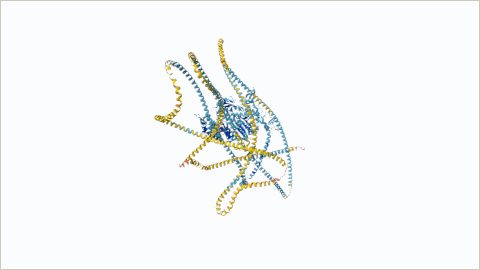
How does a motor really move?
Set the ATP level, predict the drift, and watch a jostled motor — a biased random walk, not a purposeful walk.
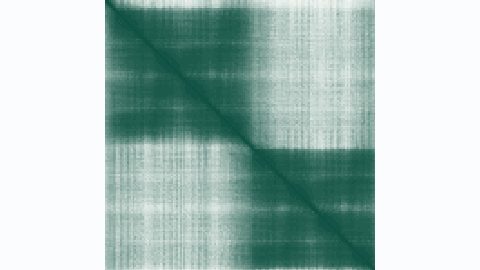
Do you trust where the domains sit?
A model can be crisp everywhere and still be unsure how its domains are arranged. Judge the arrangement, then read the real PAE.
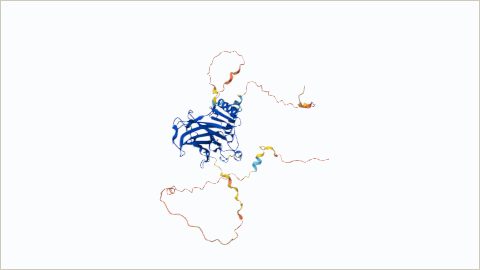
Is that floppy bit broken or working?
Low-confidence regions are usually intrinsically disordered — and doing a job. Tag each region, then see the live UniProt annotation.
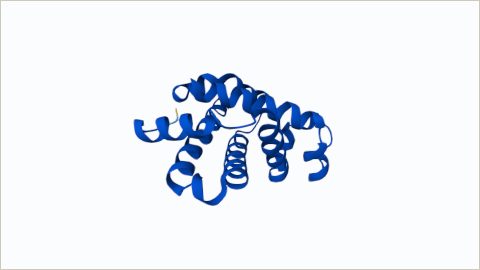
Does one changed letter matter?
Most changed amino acids change little; a few change everything. Draw a real variant, call its effect, and learn to calibrate.
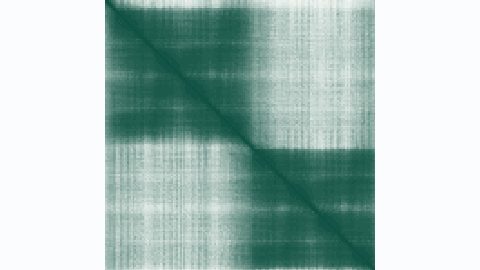
Firm or fuzzy — where do the domains sit?
The gentle companion to HingeHunt: two crisp domains can still have a fuzzy relative place. Paint your prior, then reveal the PAE.
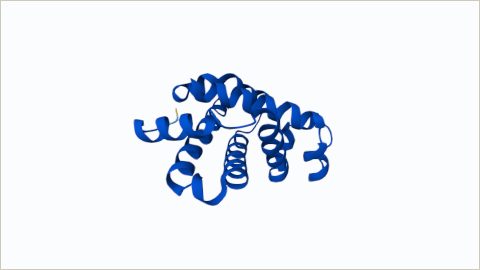
What does the model leave out?
A single-chain model is a starting point, not the whole machine. Spot the missing cofactor or partner, checked against live UniProt.
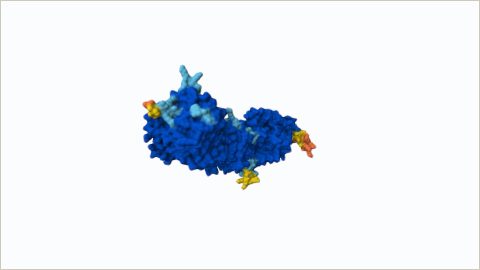
Rigid keyhole, or does it reshape?
Binding pockets are rarely rigid keyholes — many reshape on contact (induced fit). Predict rigid vs reshapes for real enzymes.
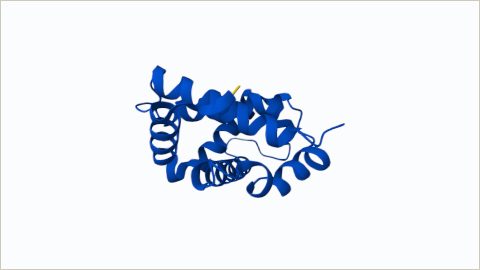
Does one O₂ fill all four at once?
One O₂ does not flip hemoglobin all-or-none. Set the cooperativity between hemoglobin's four subunits and match the real oxygen curve.
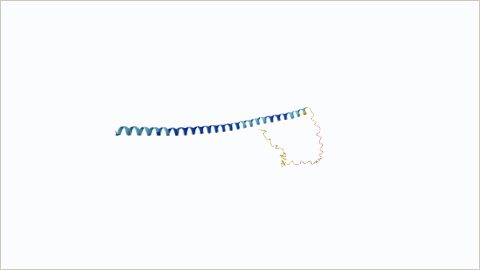
Can you read a protein with your ears?
An accessibility-first listening game: AlphaFold confidence played along the chain as pitch. Match the sound to the protein — and learn that low confidence is not the same as unimportant.
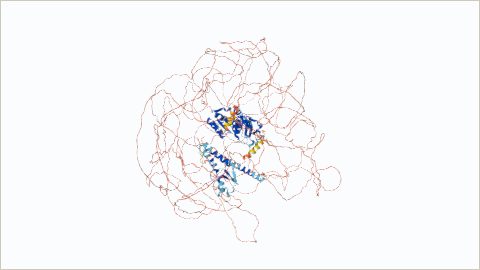
What survives when you only trust what the model is sure of?
Drag AlphaFold's confidence lens and watch a protein fade. Predict where each region vanishes — and learn that a faded region is usually flexible and functional, not a mistake.
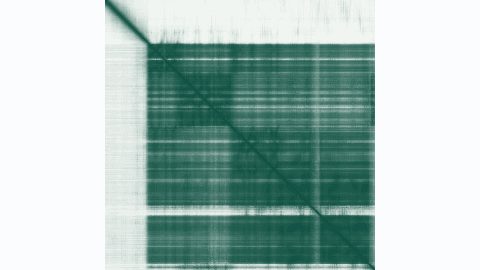
Can you carve a chain into its domains — and trust how they sit?
Carve a protein into its folded domains, then use AlphaFold's PAE to judge how much to trust where those domains sit relative to each other.
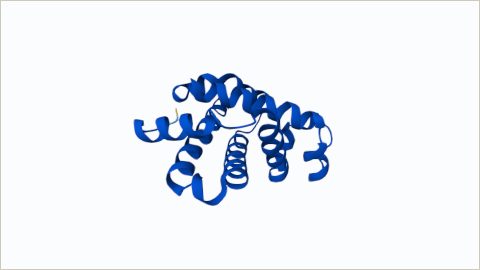
Which mutations actually matter?
Paint which parts of a protein tolerate change, then reveal the real AlphaMissense heatmap. Some proteins shrug off most changes; others are sensitive almost everywhere.
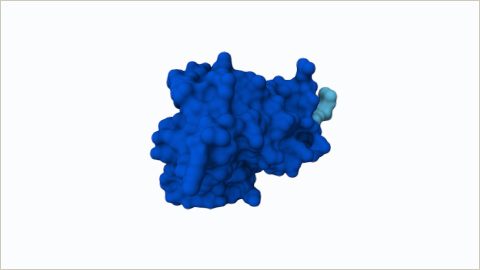
Which face does a protein hide against its partner?
See one subunit, bet which parts get buried against its partner, then load the real assembly and score your guess against the true interface. Many proteins don't work alone.
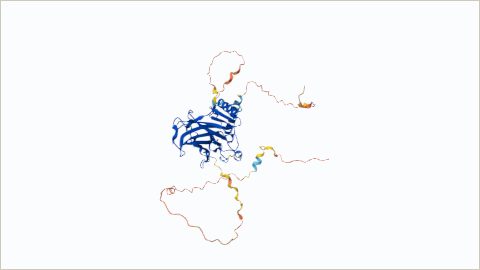
Where should a protein be drawn sketchy?
You are the renderer: choose which parts of a protein to draw in firm ink and which to draw sketchy. Sketchy is not wrong — it is how you honestly draw a flexible, functional region.
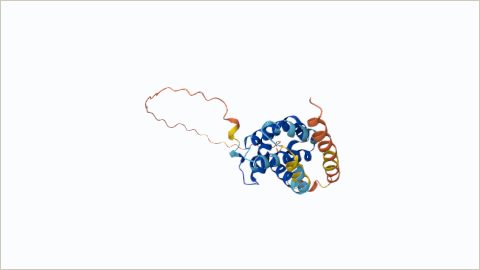
How does one gene make different proteins?
Compare two spliced isoforms of one gene and pick the exon that explains the difference. Splicing makes different chains — not one chain morphing into several shapes.
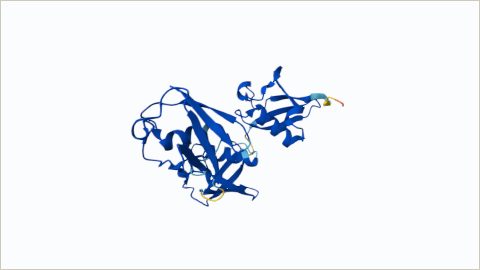
Is a protein really a solid ball of marbles?
A space-filling model looks like a solid pile of marbles, but atoms jiggle — and some parts smear more than others. Bet which regions hold still and which move.
Where should I start, and what comes next?
A suggested learning ladder of nineteen rungs, from a cell and its parts up to why prediction is trustworthy, with a start point for each age band. Each rung links to a free tool; the arrows show what makes the next step easier.
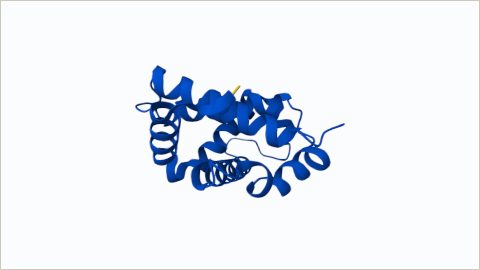
What do AlphaFold's real confidence numbers say?
Read the real confidence numbers off human haemoglobin: guess how sure the model is for a region, then see its actual per-residue pLDDT and pairwise PAE — computed live from the model — and learn to say it plainly: a prediction, not an experiment.